Gravity die casting solutions for the rail industry
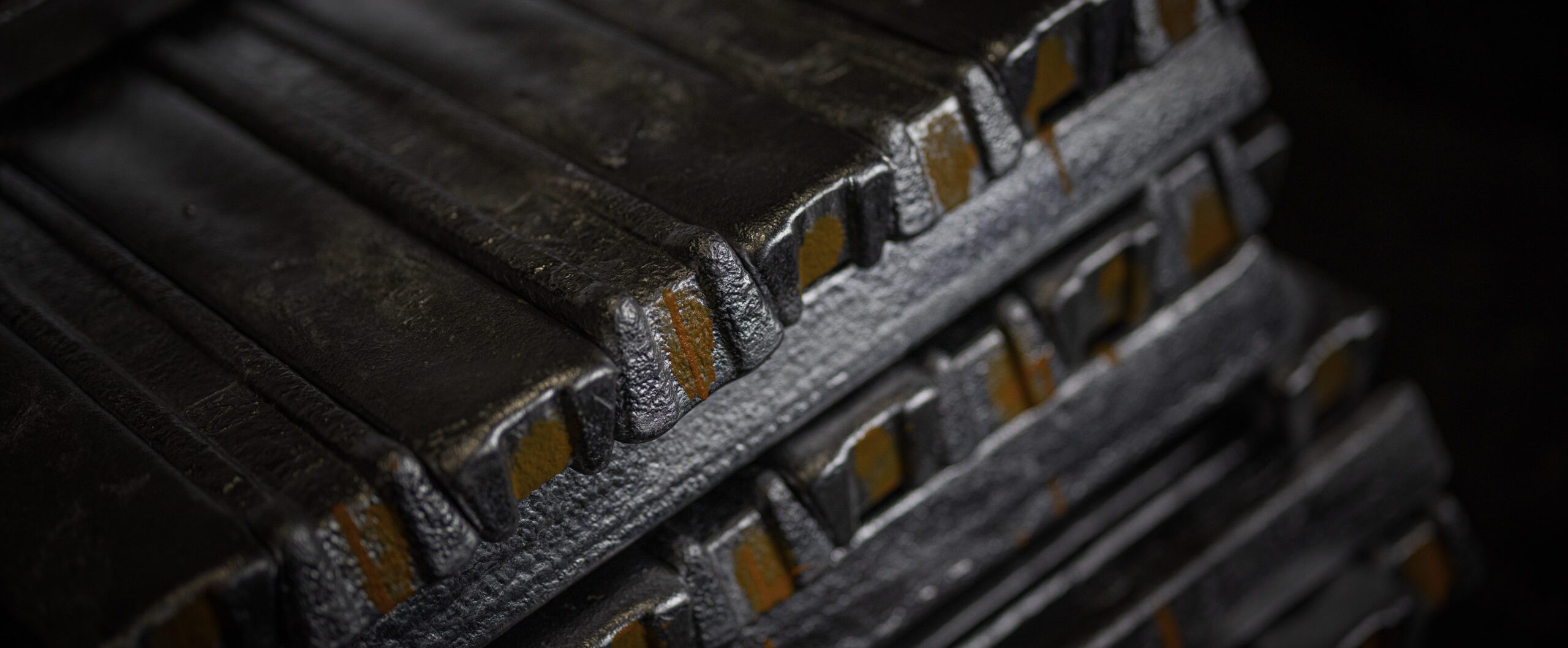
Rail components have to perform for decades under constant vibration, heavy use and exposure to the elements, while keeping weight to a minimum. Die casting meets all of these demands, producing strong, precise aluminium parts that can be manufactured consistently at volume.
Roston Castings has more than 60 years of experience in aluminium casting, supplying leading manufacturers in the automotive, aerospace, agriculture and engineering sectors. We bring that same expertise to the rail industry, producing components in the right alloy for each application.
Die Casting for Rail
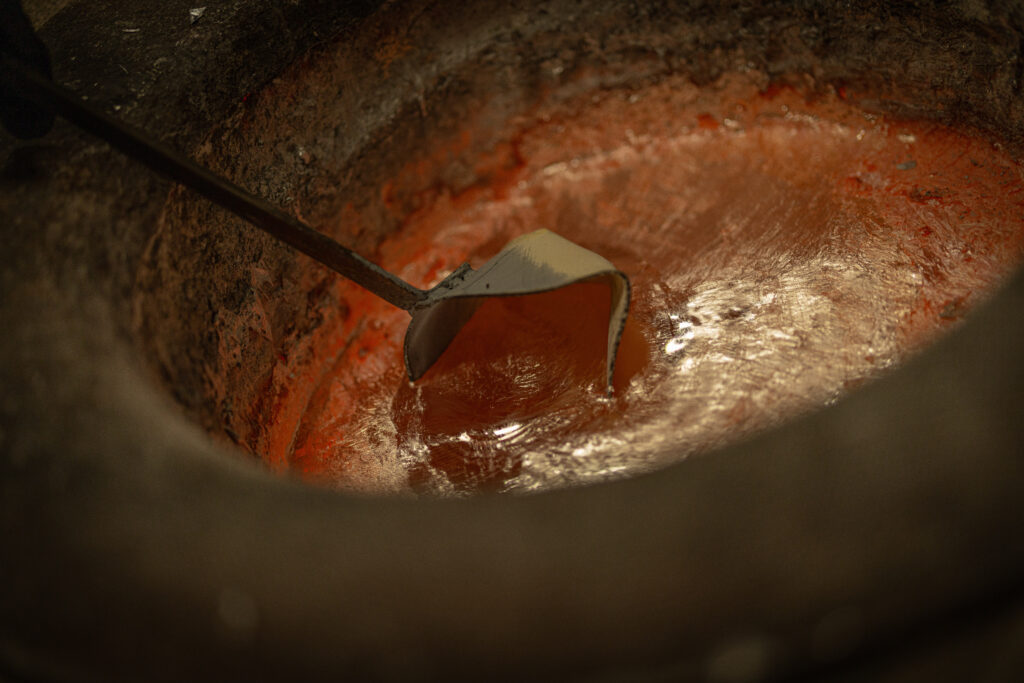
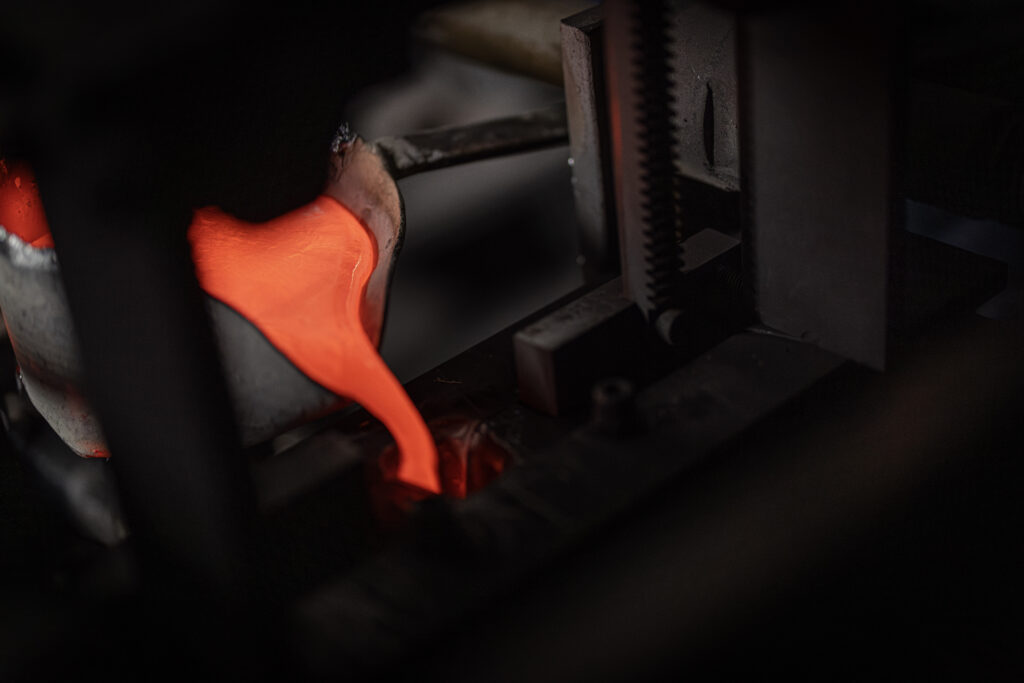
Die casting involves filling a reusable steel mould with molten non-ferrous metal, typically an aluminium alloy. In gravity die casting, the metal is poured and fills the mould under its own weight. In high pressure die casting, it is injected at speed. Both methods produce accurate, repeatable parts, and the right choice depends on the design, size and quantity of the component.
Whether you need a new component developed from scratch or an existing part re-engineered in aluminium, we can advise on the most suitable alloy and casting process. We work with you from the early design stage to make sure every component meets the performance, safety and durability standards expected across the rail sector.
Advantages of die casting
Die cast components are used throughout the rail network, both on board trains and alongside the track:
Rolling stock interiors: Seating frames, grab rails, luggage rack brackets and door mechanisms.
Trackside and overhead: Catenary fittings, overhead line brackets and signalling enclosures.
Safety and signalling: Automatic train location assemblies and housings for electronic equipment.
Advantages of die casting
Lighter trains: Aluminium castings can replace heavier steel parts, reducing overall weight and helping to improve energy efficiency.
Built to last: Die cast components combine an excellent strength-to-weight ratio with good resistance to corrosion, so they hold up over a long service life.
Vibration resistance: Rail components are under continuous dynamic stress. Die cast parts are dense and structurally sound, and tougher alloys such as aluminium bronze can be used where extra resilience is needed.
Precision and consistency: Tight dimensional tolerances and smooth surface finishes reduce the need for secondary machining and make every part consistent with the last.
Cost-effective at volume: Reusable moulds keep the cost per part low across repeat production runs, with less material waste.
Why choose Roston for your rail castings?
We are specialists in gravity die casting. Because the metal fills the mould steadily and cools more slowly, gravity die cast components are denser, stronger and less prone to porosity. That makes the process well suited to rail parts where strength and reliability matter most. The controlled fill also gives tight tolerances and consistent dimensions from one batch to the next.
We also offer high pressure die casting for complex, thin-walled components needed in high volumes, so we can recommend the best process for your project rather than fitting your part to a single method.
Accredited quality: We have held ISO 9001 accreditation for more than 29 years, and every component is tested and inspected before it leaves our site.
In-house toolmaking: We design and machine our own tooling using CNC equipment, which shortens lead times and keeps maintenance costs down.
Design support: Our team offers CAD design and 3D scanning, helping you refine a component before production begins.
Proven partnerships: We have supplied the JCB Group for more than 40 years and Areva Transformers for more than 35 years.
Alongside rail, we serve customers in the automotive, aerospace, defence, engineering, architecture and food industries.
Get in touch about your next rail project
To discuss your requirements or request a quote, contact our team.